Samsung is aiming to develop an “AI autonomous factory” model by 2030, where artificial intelligence and robotics are applied across the entire operation, from production to supply chain. This direction not only marks a new step forward in smart manufacturing but also opens up opportunities for manufacturing hubs like Vietnam to participate more deeply in the global value chain.
The global manufacturing industry is entering a period of strong transformation driven by the development of artificial intelligence (AI) and advanced automation technologies. Many large technology corporations are accelerating the adoption of AI to build smart factories that operate more flexibly and efficiently. Samsung Electronics is one of the pioneers in this trend, with the goal of developing “AI autonomous factories” – manufacturing facilities powered by artificial intelligence.
Recently, Samsung announced its goal to transform all of its domestic and overseas factories into AI autonomous factories by 2030. In this model, AI will be applied across multiple activities, from operations management and quality control to supply chain optimization.
AI Enhancing Automation in Manufacturing
In modern factories, AI can analyze data from various sources such as machinery systems, sensors, and manufacturing management platforms. With its ability to process large volumes of data and learn from real-world operations, AI can detect issues in production lines and make appropriate adjustments.
From Automation to Autonomous Factories
Unlike traditional automation systems that only perform tasks based on predefined scripts, AI-powered factories can learn and optimize processes based on operational data. This allows manufacturing facilities to respond more quickly to changes in market demand or technical issues arising during production.
Mr. Lee Young-soo, President and Head of the Manufacturing Technology Research Center at Samsung Electronics, stated that the future of manufacturing innovation will not stop at automation but will move toward systems capable of making optimal decisions independently based on data.
Robotics and AI in Production Lines
In addition to AI systems, Samsung is also researching and deploying humanoid robots to enhance automation in factories. In the future, the company plans to combine AI with specialized robots to perform various roles within production lines.
Robotic Systems Supporting Factory Operations
Operational robots can be used to monitor equipment and production lines, while logistics robots handle the transportation of materials and components within the factory. In addition, assembly robots can take on product finishing tasks with high precision.
The combination of AI and robotic systems helps create more flexible and optimized production lines, while reducing reliance on manual labor.
Vietnam’s Role in Samsung’s Manufacturing Network
Over the years, Vietnam has become one of Samsung’s key manufacturing hubs. The company’s factories in Bac Ninh, Thai Nguyen, and Ho Chi Minh City play an important role in its global supply chain.
The presence of these large-scale production facilities has also contributed to accelerating technological transformation in Vietnam’s industrial sector. The implementation of advanced manufacturing technologies not only improves operational efficiency but also creates momentum for the development of the local industrial and technology ecosystem.
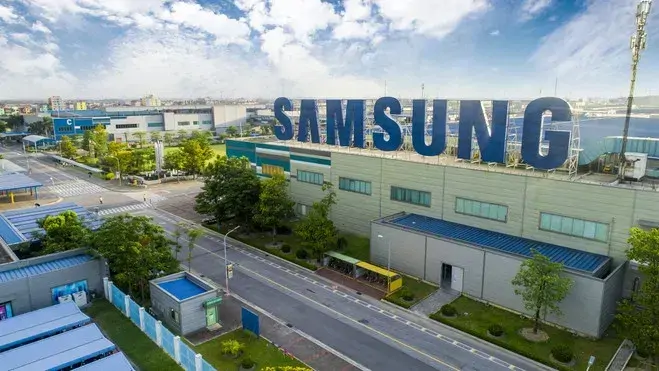
Samsung factory in Vietnam
The Future of Smart Manufacturing
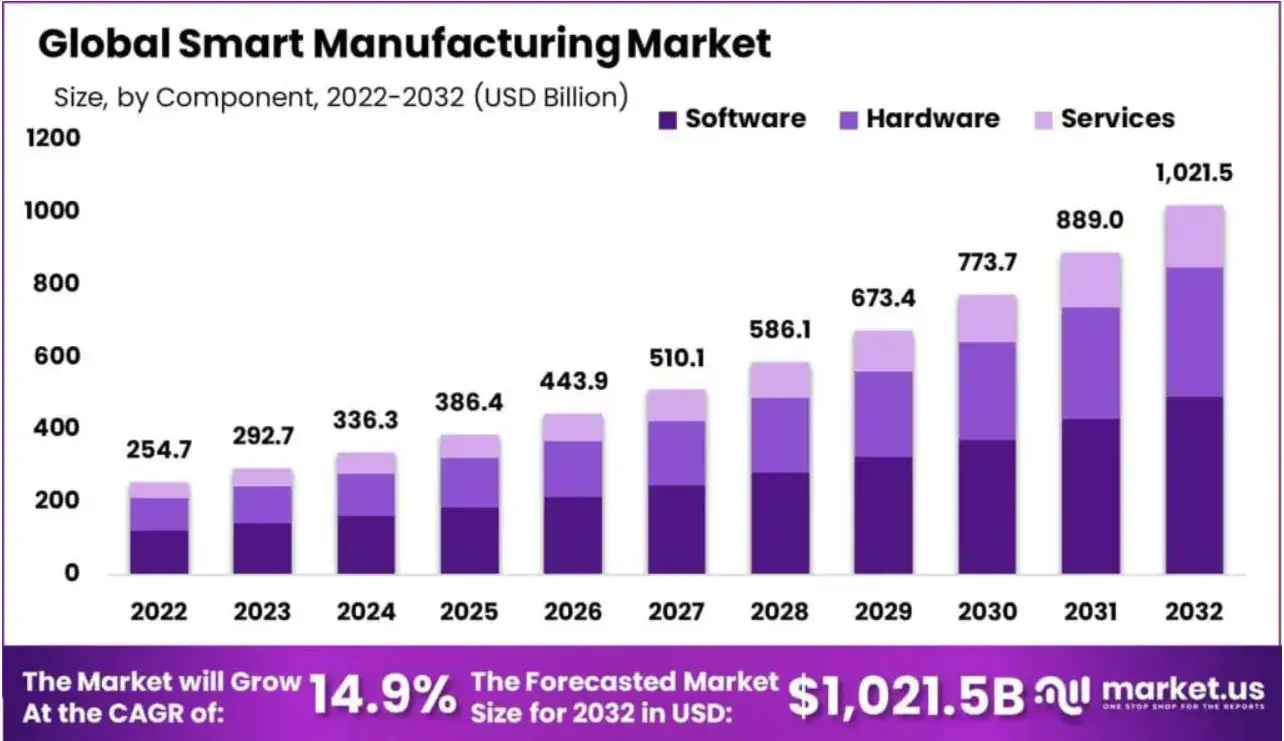
The trend of building AI-driven autonomous factories is shaping the future of manufacturing. As technologies such as AI, robotics, and data analytics are increasingly integrated into production lines, businesses can achieve higher operational efficiency and respond more flexibly to market changes.
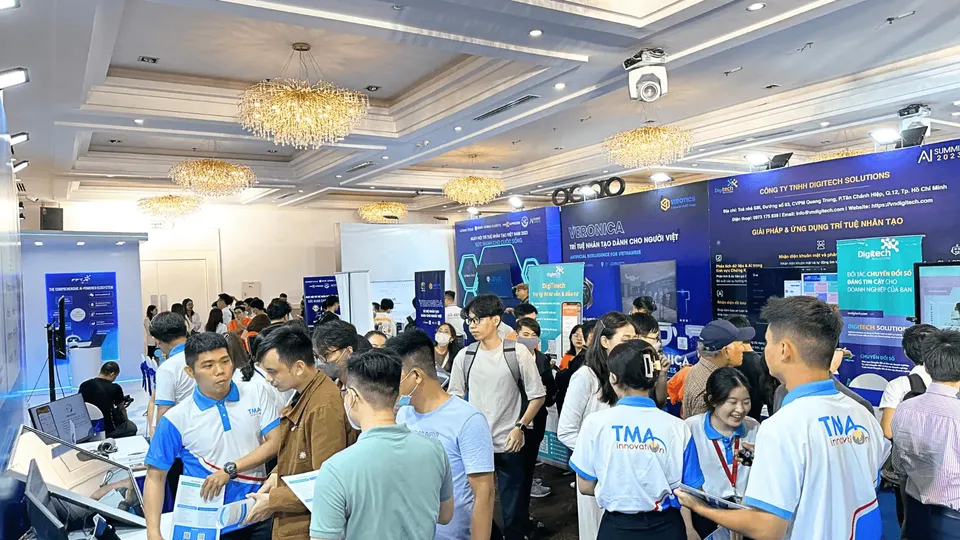
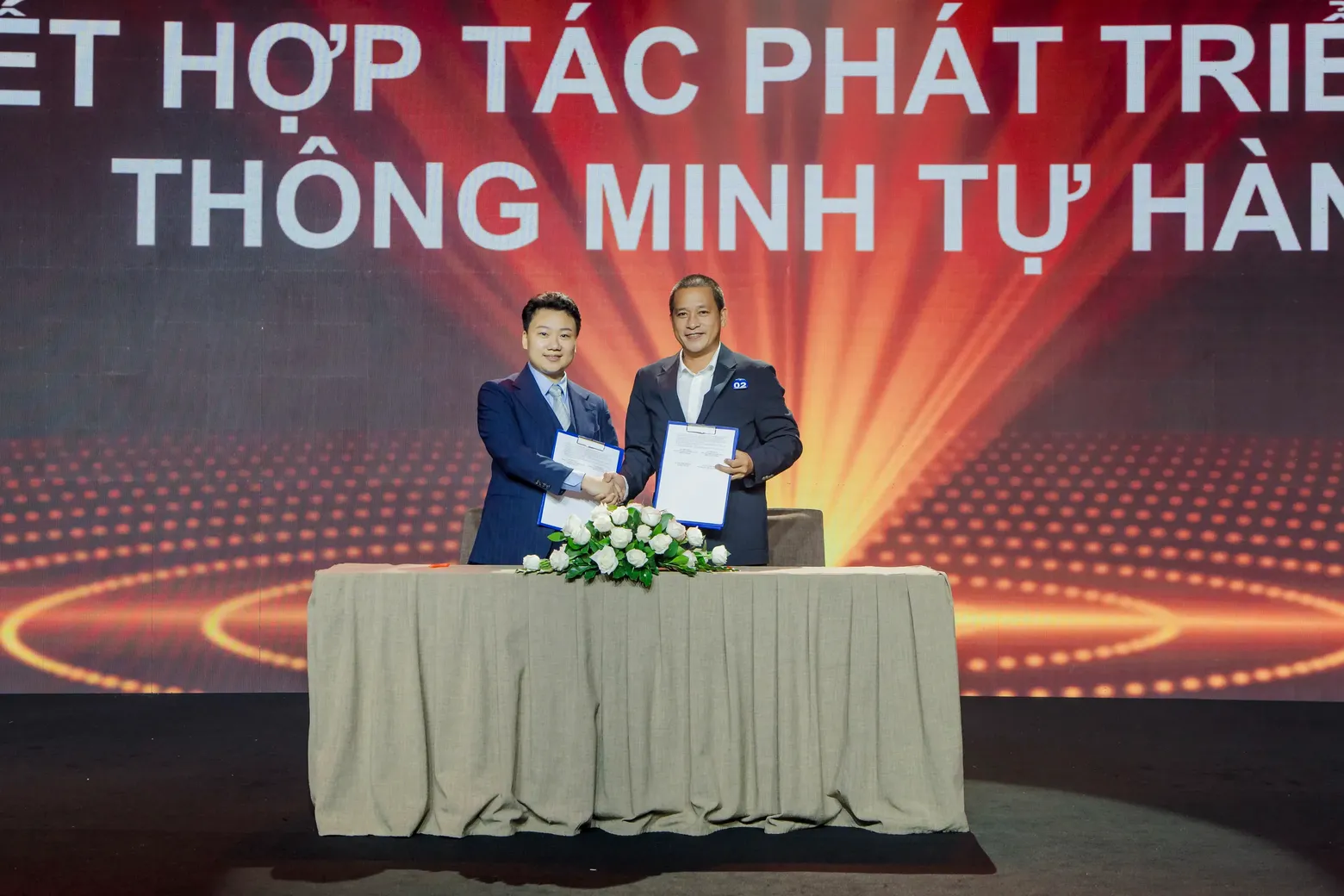
In this context, technology solutions such as data platforms, AI systems, and manufacturing management software play an important role in supporting enterprises in deploying smart factory models. Technology providers like TMA Solutions can offer software solutions, data systems, and AI applications to help businesses optimize operations and gradually move toward autonomous manufacturing models.
Source: Bốn nhà máy Samsung tại Việt Nam mang về 3,53 tỷ USD lợi nhuận