Developing strategic technologies has become an urgent priority for Vietnam as the country seeks to strengthen its technological capabilities, enhance competitiveness, and achieve sustainable economic growth. Successfully mastering these technologies will help position Vietnam as a dynamic nation with internationally recognized innovation capacity.
Building the Foundation for Technological Breakthroughs
Vietnam has identified strategic technologies as key areas for investment due to their broad impact on economic development, national competitiveness, and defense and security.
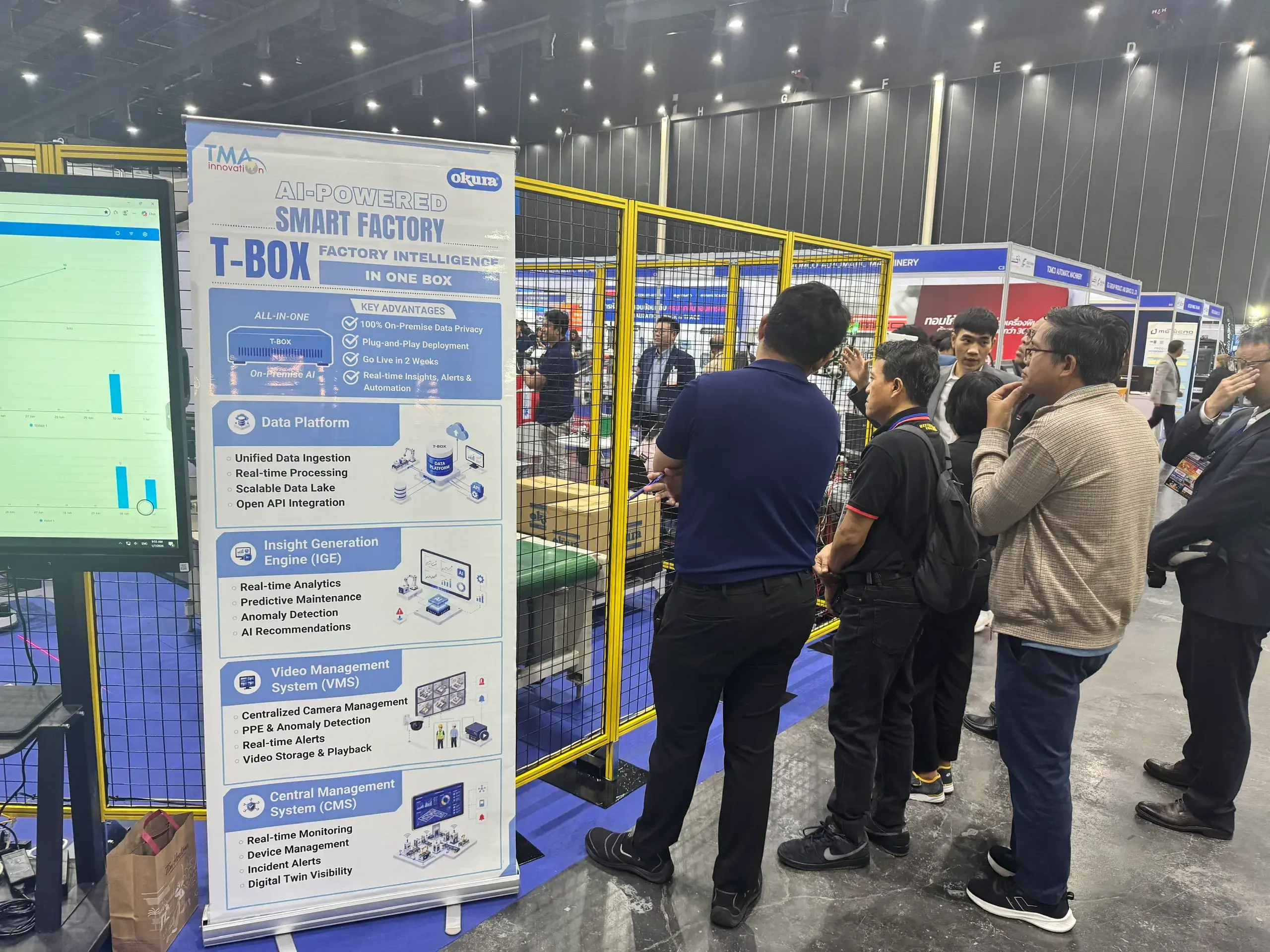
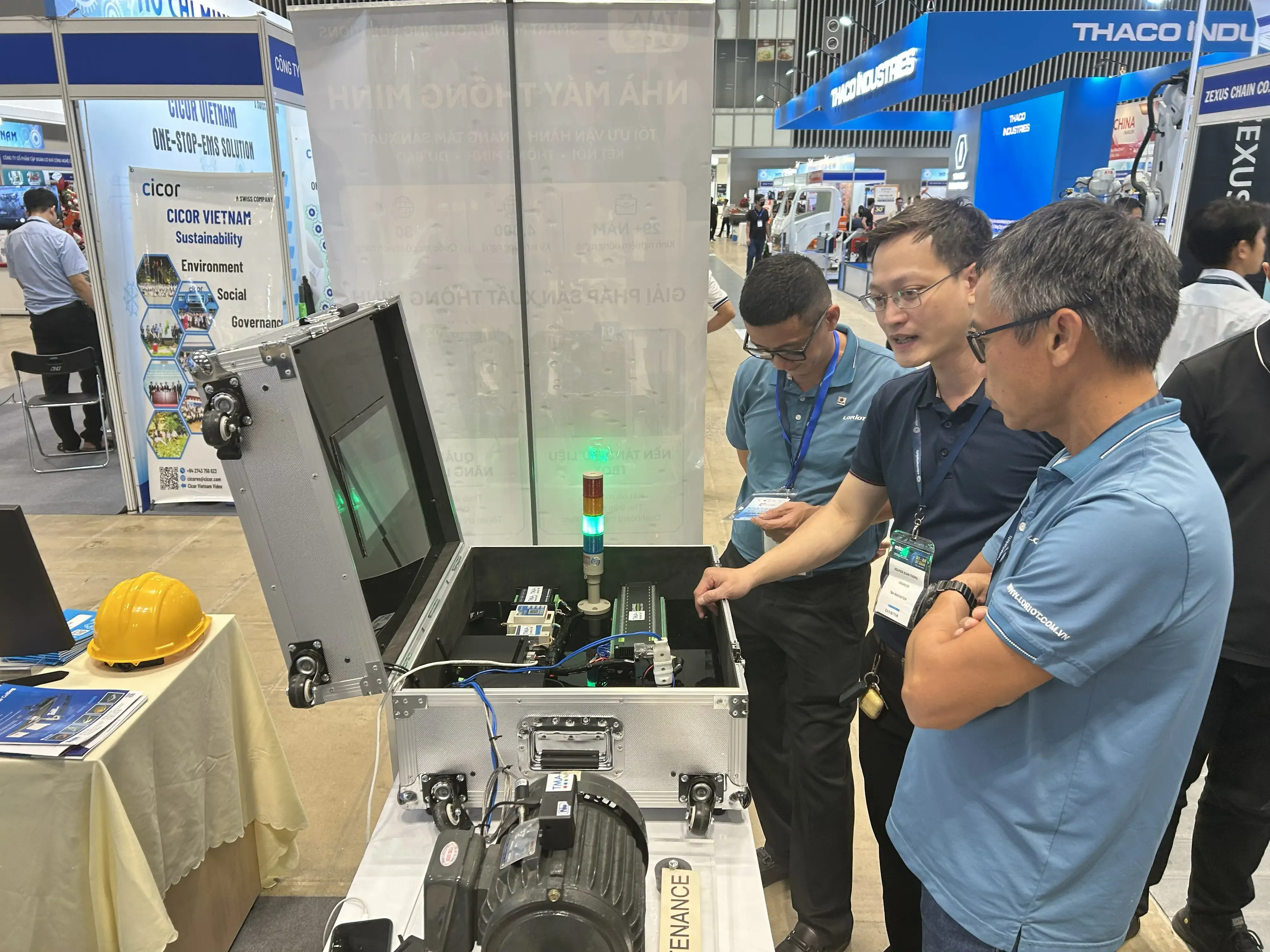
According to Prof. Dr. Tran Hong Thai, President of the Vietnam Academy of Science and Technology (VAST), the academy has actively collaborated with domestic and international partners to advance research, technology development, and innovation. Recently, VAST selected 112 technologies ready for transfer and commercialization, including AI-, IoT-, cloud- and edge-computing-based industrial solutions, a low-code Digital Core Platform, and genetically modified rice varieties with high gamma-oryzanol content.
Assoc. Prof. Dr. Bui The Duy of Vietnam National University, Hanoi (VNU), said the university has established specialized research institutes focused on semiconductors, quantum technology, and AI for Sustainable Development (AI4SD). VNU is also implementing 16 major research programs covering strategic fields such as AI, semiconductor chips, robotics, automation, UAVs, cybersecurity, advanced biomedical technology, new materials, energy, and quantum technology.
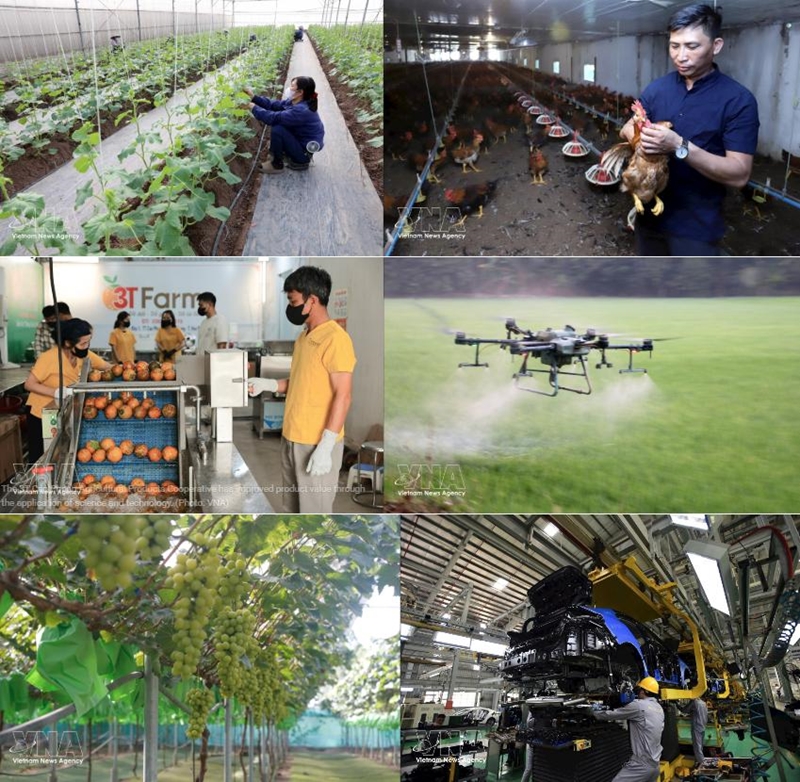
The private sector is also contributing significantly. Tran Manh Bao, Chairman of ThaiBinh Seed Group, said the company has invested in scientific research for more than 25 years. It has developed over 40 nationally recognized crop varieties, which now account for approximately 20% of Vietnam’s rice-growing area and help improve agricultural productivity and quality.
Accelerating Investment and Commercialization
While research institutes, universities, and businesses have achieved important initial results, experts believe Vietnam now needs a new development phase with greater investment, larger-scale implementation, and a stronger strategic focus.
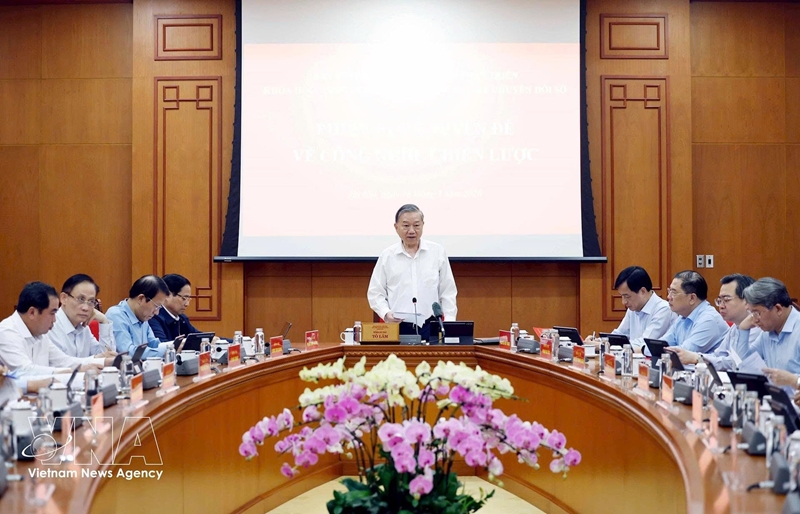
At a recent meeting on strategic technologies, Party General Secretary and State President To Lam emphasized the need for fundamental changes in thinking and implementation. Meanwhile, the Prime Minister issued Decision No. 21/2026/QD-TTg, identifying 10 strategic technologies and 30 strategic technology products while assigning responsibilities to ministries, sectors, and local authorities.
Experts stressed that future efforts should prioritize high-value products with strong commercialization potential, practical applications, and high localization rates to improve productivity and national competitiveness. They also called for stronger international cooperation, increased technology transfer from foreign-invested enterprises, and greater engagement of overseas Vietnamese experts and scientists.
In addition, science and technology programs should focus on solving major national challenges, with measurable outcomes, commercialization, and real-world impact serving as key performance indicators.
Preparing for the Next Growth Phase
Research organizations and businesses are already taking action. VAST is developing plans to strengthen its capabilities to international standards through investments in strategic research areas and specialized centers. VNU is working on low-power RISC-V processor IP cores for IoT devices, Lab-on-a-Chip technology for early lung cancer detection, and intelligent UAV control systems for search-and-rescue and surveillance applications.
ThaiBinh Seed plans to invest approximately VND 500 billion (USD 19 million) between 2026 and 2030 to upgrade research facilities, biotechnology laboratories, data centers, and smart testing systems.
According to Minister of Science and Technology Vu Hai Quan, Vietnam is entering a critical period that presents a major opportunity to unlock resources for science, technology, and innovation. By fostering a dynamic and effective innovation ecosystem involving scientists, businesses, universities, research institutes, and government agencies, Vietnam can make science, technology, and innovation the primary drivers of sustainable and long-term economic growth.
Source: (VNA)