Policies on emission management are creating new challenges for manufacturing enterprises, particularly in heavy industries. In this context, smart manufacturing solutions powered by data platforms and AI are emerging as effective approaches, helping businesses better control emissions and move toward sustainable development.
Controlling emissions is becoming an increasingly important requirement for industries worldwide. In Vietnam, new emission management policies are gradually being implemented to reduce environmental impact and promote sustainable production. Vietnam is expected to pilot the allocation of greenhouse gas emission quotas from 2026 for approximately 110 facilities across sectors such as thermal power, steel, and cement.
This policy is considered an important step toward developing a carbon market and encouraging manufacturing enterprises to better control emissions in their operations.
Challenges in Emission Control for Factories
For many manufacturing enterprises, meeting emission requirements is not a simple task. Heavy industries such as energy, steel, and cement often involve complex production processes and high energy consumption, making it difficult to monitor and control emissions effectively.
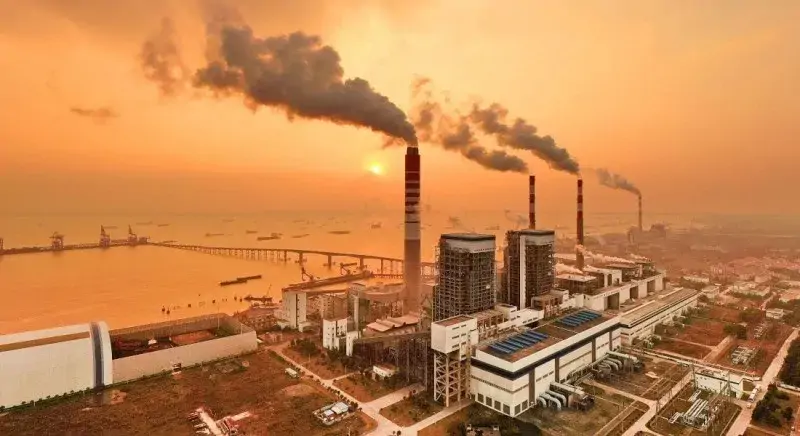
The growing pressure of emission control in heavy industries
Limitations of Traditional Management Methods
In many factories, emission monitoring still relies on manual measurement methods or fragmented management systems. This makes it difficult for businesses to track emission data in real time and accurately assess the environmental impact of each stage in the production process.
As environmental regulations become increasingly stringent, these limitations can become major barriers to production operations and business expansion.
Technology and Smart Factory Models Enhancing ESG Management
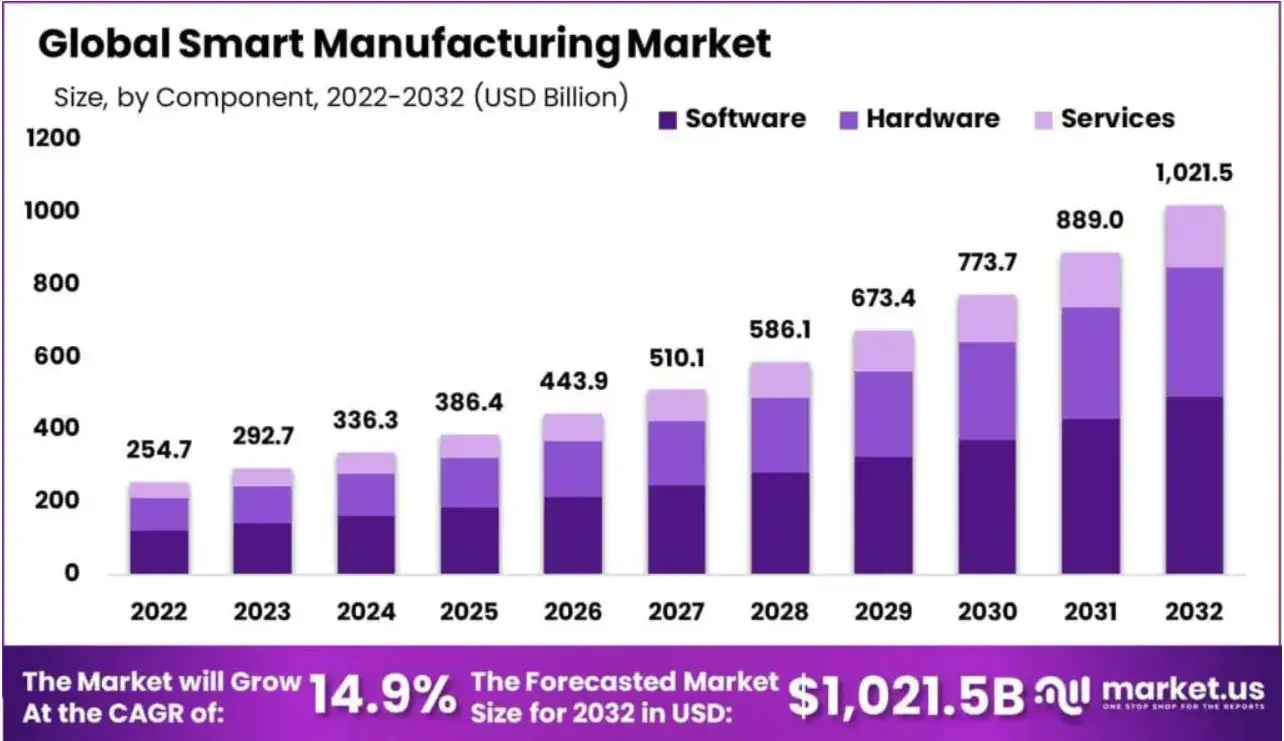
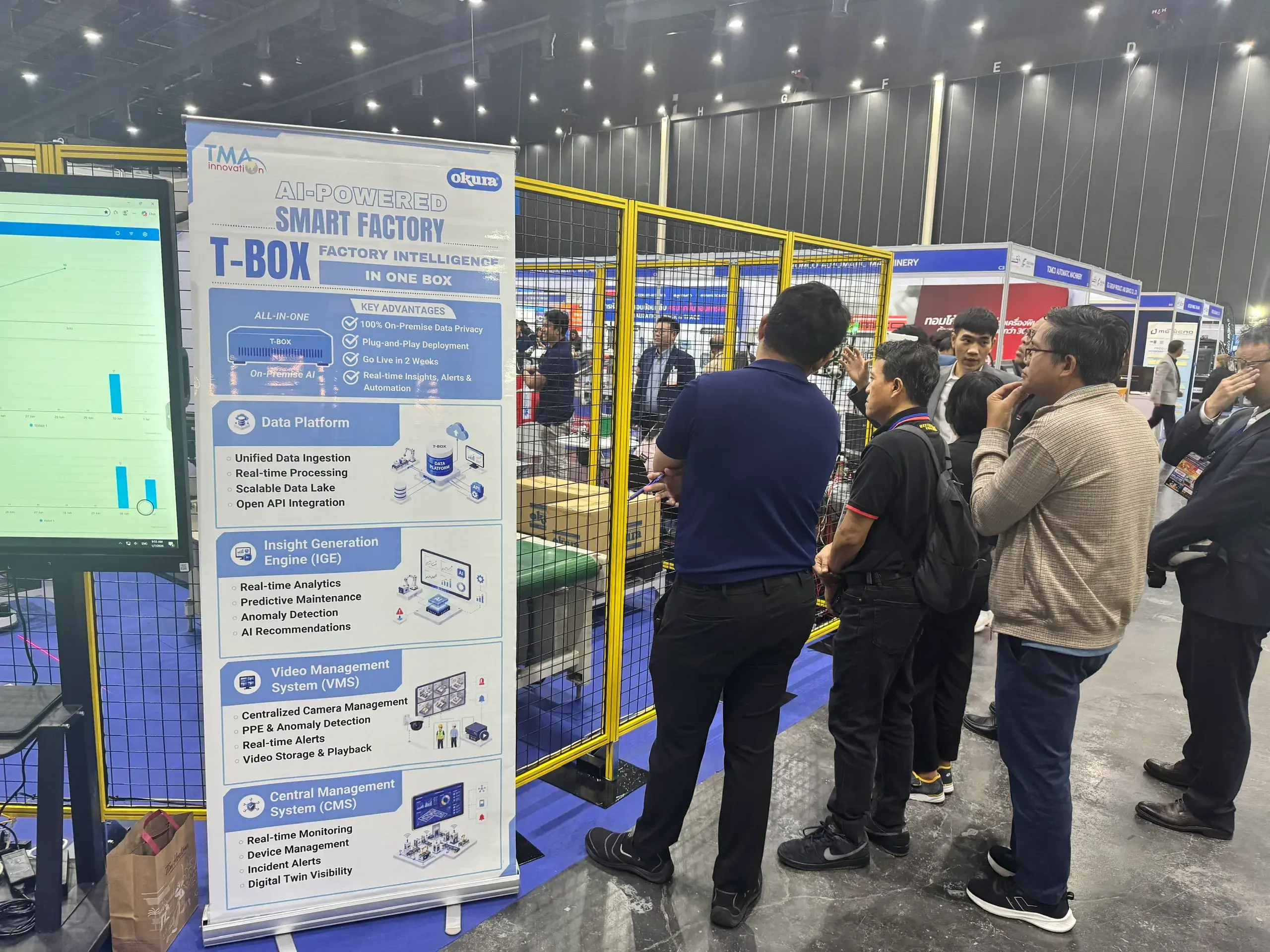
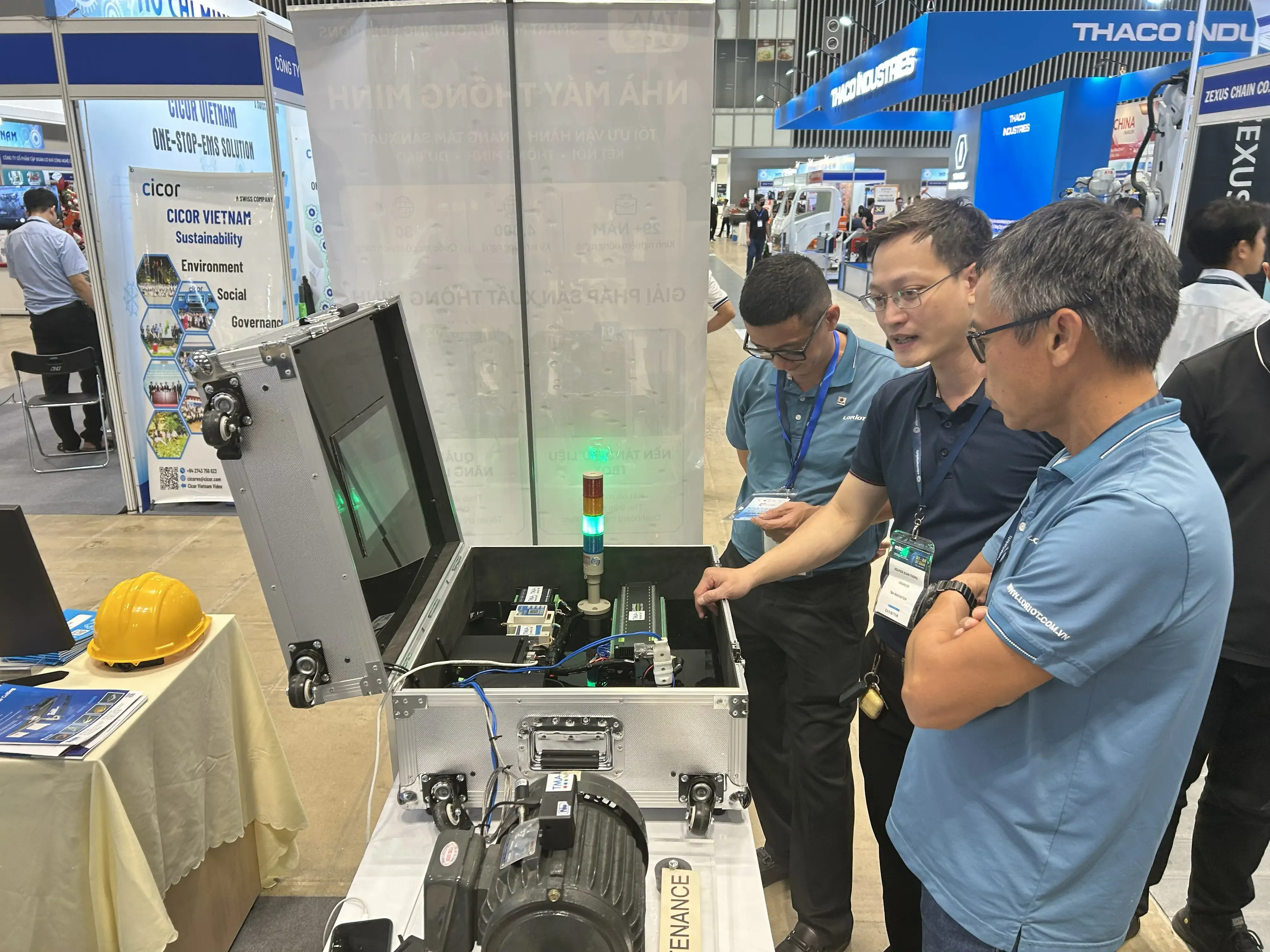
In this context, many enterprises are turning to technology solutions to improve monitoring and optimize production activities. Smart manufacturing models enable businesses to integrate data from multiple systems within factories, allowing them to track operational performance and emissions at each stage of production.
Data and AI Supporting Emission Control
Through sensors, data platforms, and analytics tools, businesses can collect and analyze environmental data in real time. This allows factories to identify areas with high energy consumption or emissions and implement optimization measures.
In addition, AI and data analytics can help forecast emission trends, enabling businesses to proactively adjust production plans to comply with environmental regulations.
Digital Transformation – A Key Step Toward Sustainable Manufacturing
The adoption of digital technologies in manufacturing not only improves operational efficiency but also supports long-term ESG goals. Manufacturing management systems, data platforms, and advanced analytics tools are becoming essential for monitoring and optimizing the environmental impact of production activities.
As emission regulations become stricter, investing in technology and transitioning to smart factory models can help businesses meet environmental requirements while enhancing competitiveness in the global market.
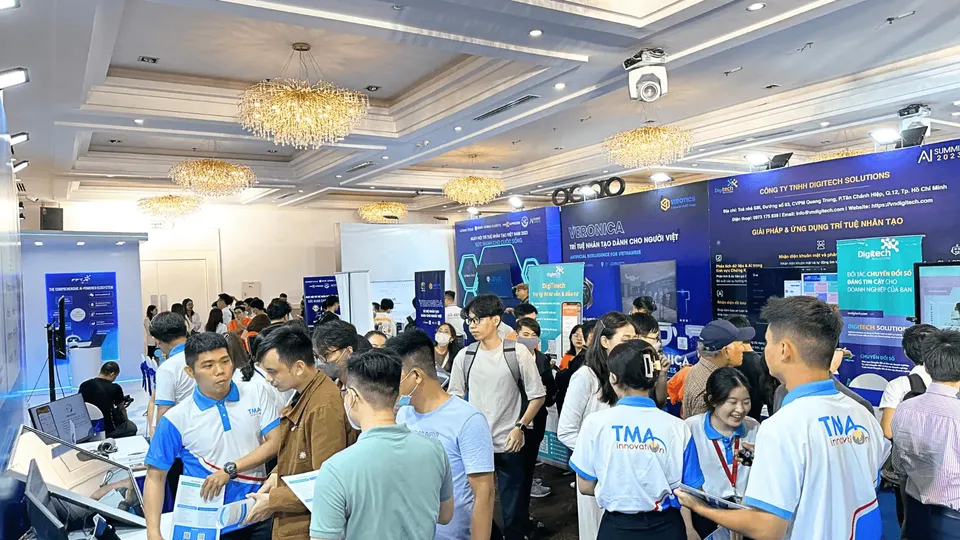
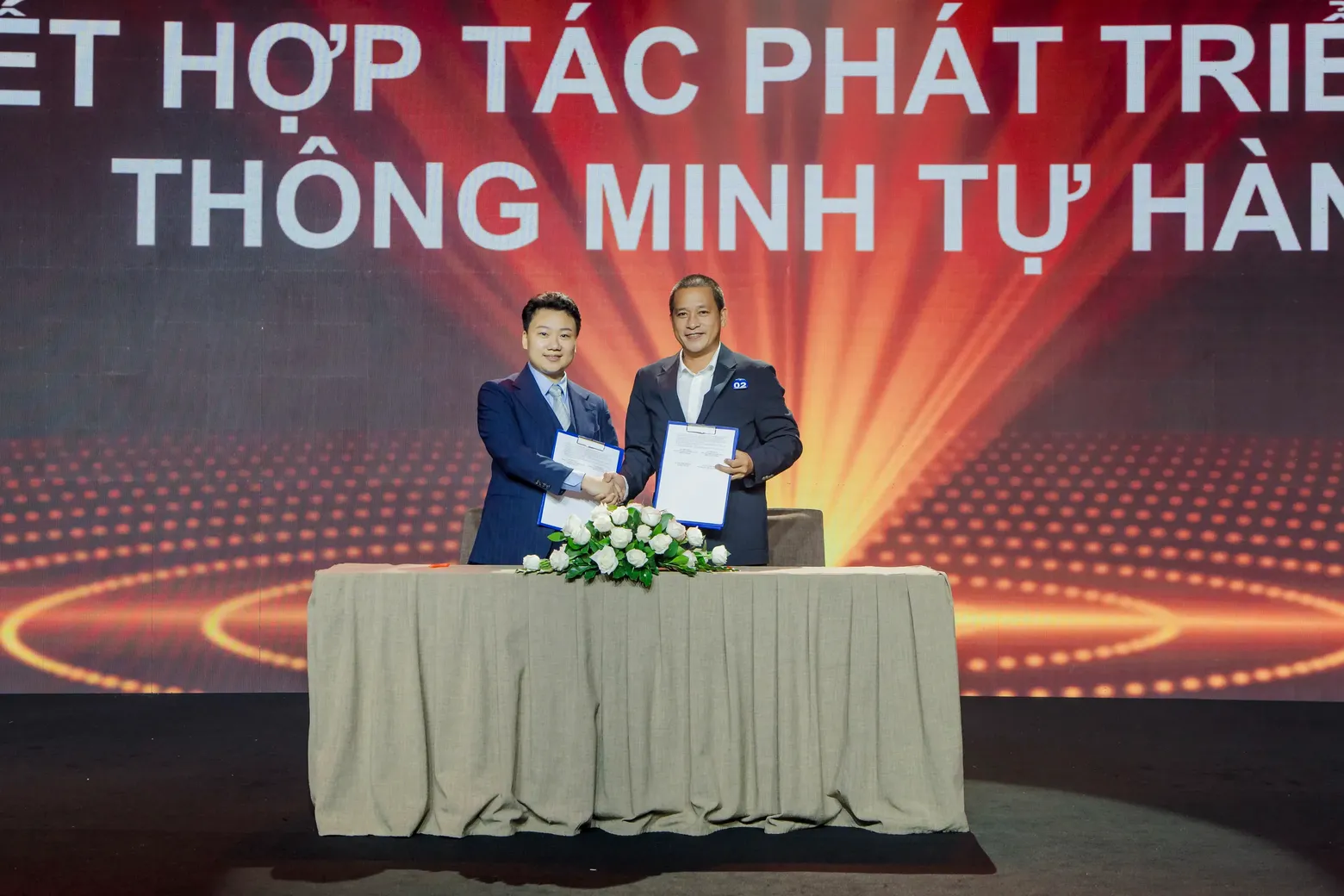
Technology providers such as TMA Solutions can support enterprises in developing data platforms, analytics systems, and AI-driven solutions to improve operational monitoring, optimize energy usage, and support sustainability goals in the manufacturing sector.