In the context of accelerating digital transformation and innovation, translating scientific research into practical production applications is increasingly seen as a key driver of economic competitiveness. However, in Vietnam, a noticeable gap remains between research outcomes and real-world implementation, highlighting the need for more effective approaches to technology deployment and commercialization.
The gap between research and market demand persists
According to conclusions from the first 2026 meeting of the Central Steering Committee on science and technology development, innovation, and digital transformation, despite improvements in foundational conditions, many research outcomes have yet to be effectively applied in practice.
In recent years, policies, digital infrastructure, science and technology programs have been implemented more systematically. Awareness among businesses and society regarding the role of innovation has also improved. Collaboration models between the government, enterprises, and academic institutions have begun to take shape, creating a foundation for linking research with production.
However, many initiatives remain at the implementation stage without delivering tangible value. Some innovations have not been commercialized, while others, despite being completed, are not put into use. This reflects a lack of strong alignment between research activities and actual market needs.
From “task execution” to “measurable outcomes”
This reality calls for a clear shift in approach—from focusing on task completion to delivering measurable outcomes in terms of productivity, quality, and economic efficiency.
This is particularly critical in manufacturing, where technologies only create value when integrated into operational processes. Businesses today require not just technology itself, but solutions that can directly address challenges such as productivity optimization, cost reduction, quality improvement, and supply chain flexibility.
The fragmented and unfocused implementation of initiatives has also limited their overall impact. Moving forward, there is a growing emphasis on concentrating resources on strategic, high-impact challenges that can generate broader industry-wide benefits.
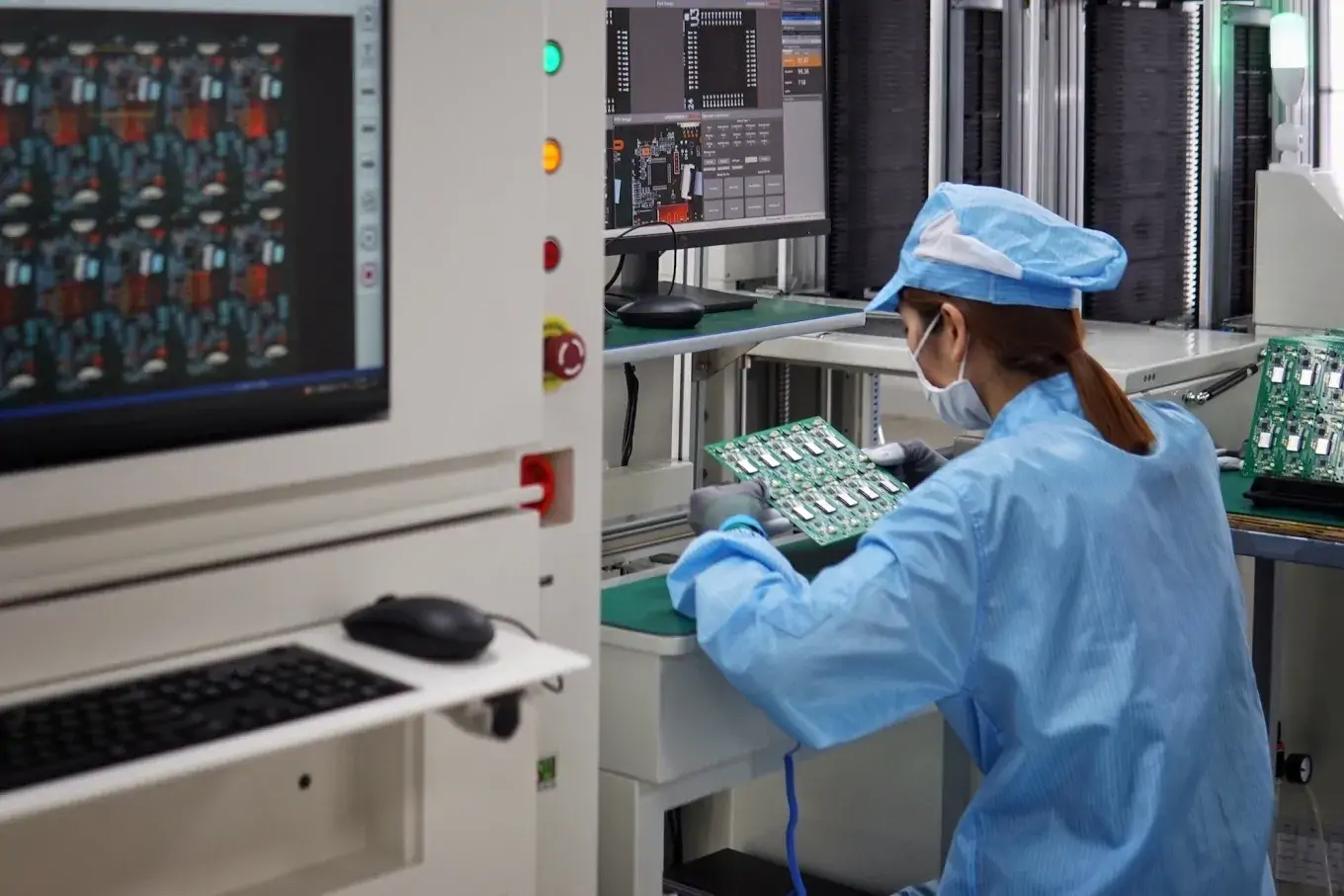
An employee at an electronics factory is inspecting a newly completed circuit board
The role of digital technologies in bridging research and production
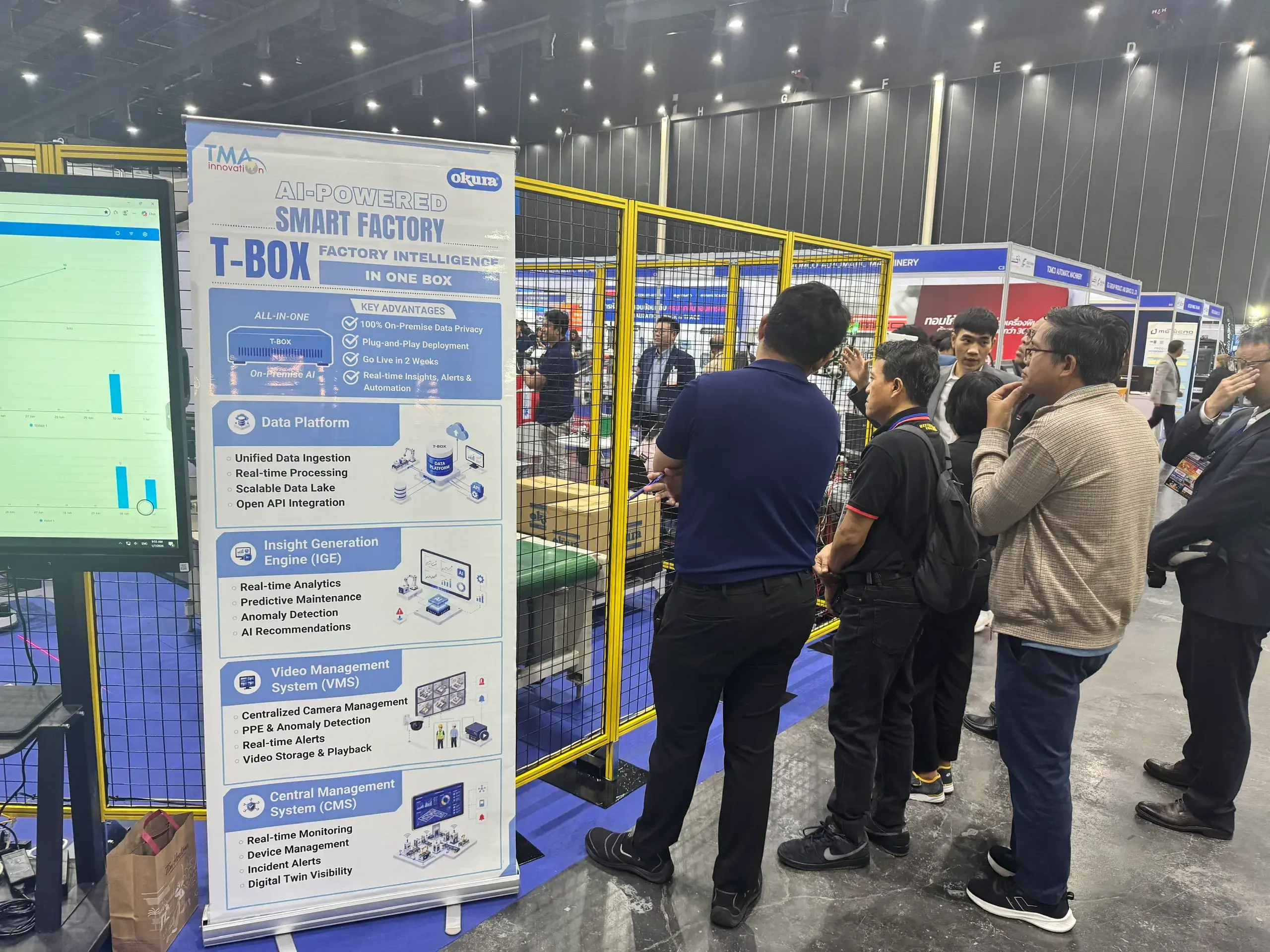
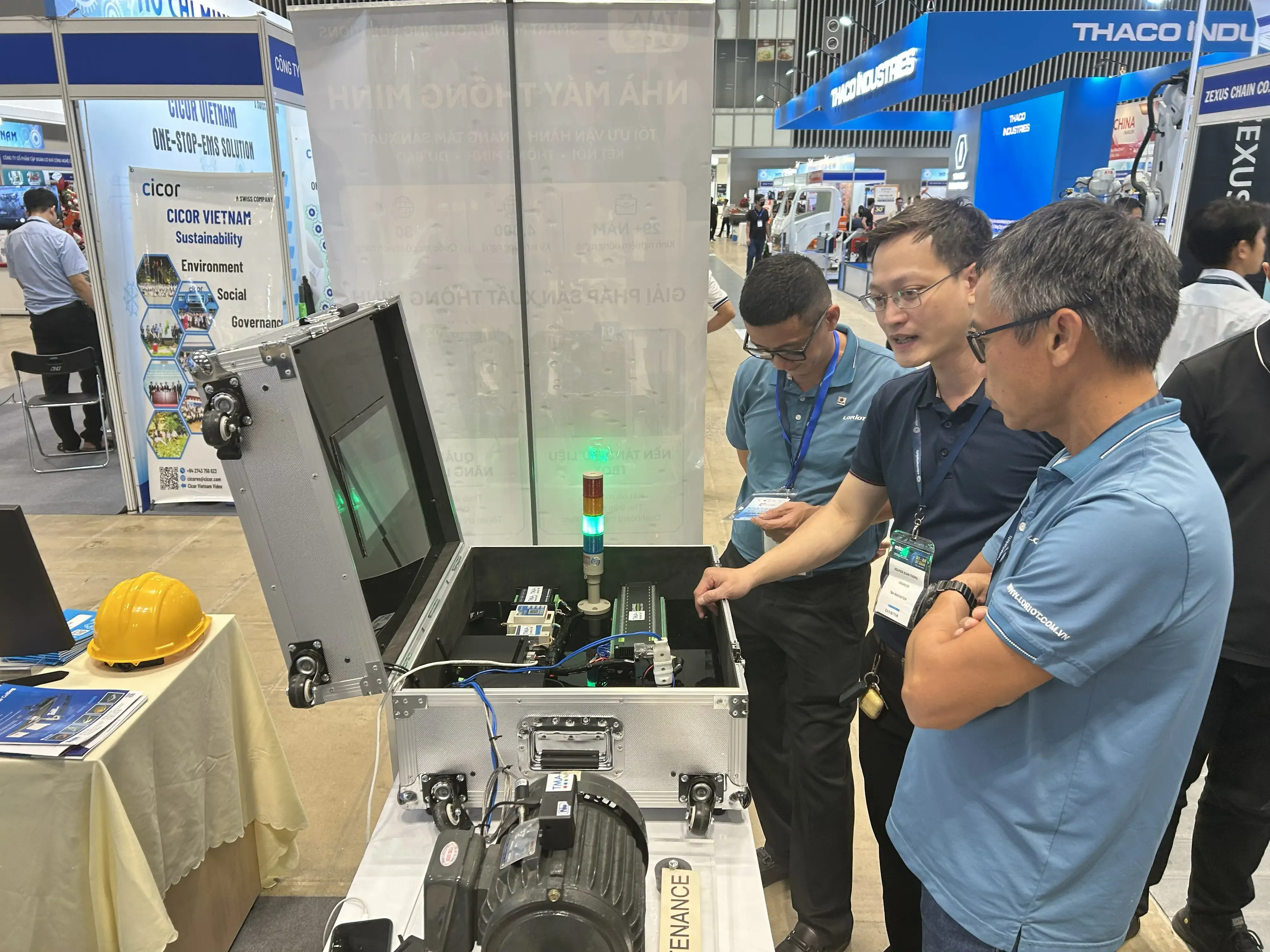
Technologies such as big data, artificial intelligence, and automation are playing an increasingly important role in narrowing the gap between research and application. When effectively deployed, data platforms and analytics systems enable real-time monitoring of manufacturing operations, allowing businesses to detect issues early and make more informed decisions.
Accelerating commercialization and technology adoption
In parallel, efforts are being made by the Vietnamese government to promote the commercialization of research outcomes and improve supporting mechanisms such as regulatory sandboxes, financial policies, and public procurement for domestic technology products. These measures help bring technological solutions into real-world environments instead of remaining confined to research.
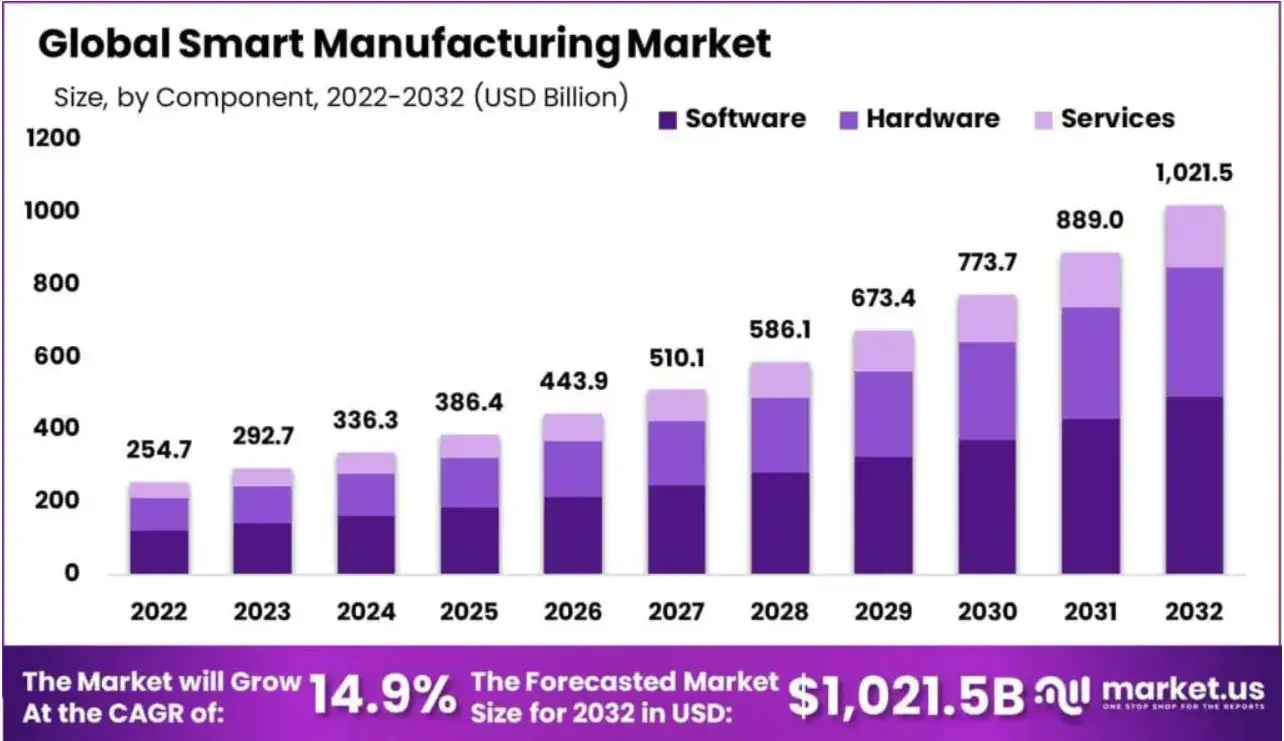
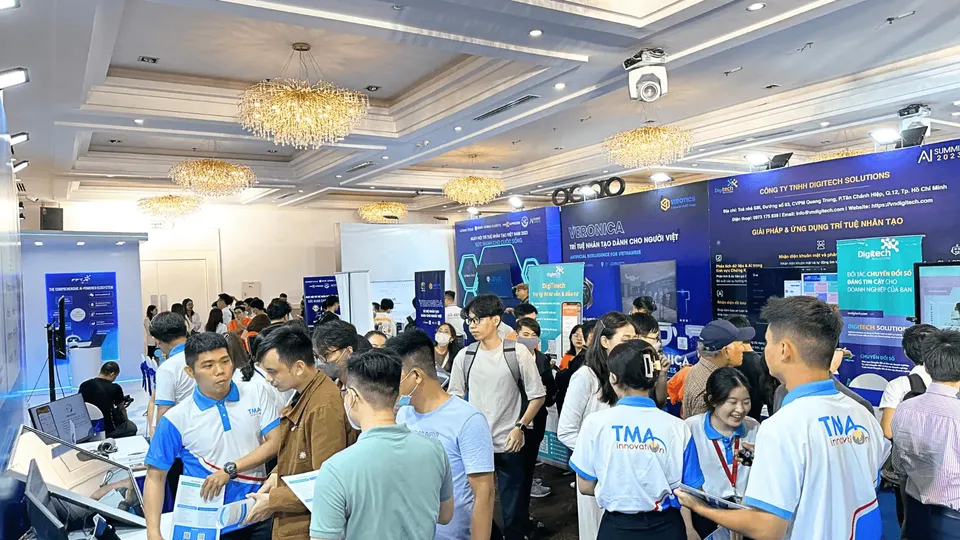
As demand for digital transformation in manufacturing continues to grow, technology providers such as TMA Solutions can support enterprises in building data platforms, developing AI systems, and implementing software solutions. This enables businesses to effectively bridge the gap between research and operations, enhance efficiency, and strengthen their competitiveness in global supply chains.
Source: 'Nhiều kết quả nghiên cứu khoa học chưa gắn chặt với sản xuất và thị trường'