In the context of high-tech manufacturing, where precision and operational efficiency are increasingly critical, many companies are accelerating the adoption of automation and intelligent systems. Real-world implementation at Samsung’s factories shows that combining technology with process optimization can reduce errors, improve productivity, and ensure product quality that meets global standards.
Optimizing Operations with Smart Warehousing and AGV
In precision manufacturing plants, maintaining a continuous flow of materials is essential for sustaining production efficiency. However, during the early stages of operation, the transportation of components from warehouses to production lines often involves multiple intermediate steps, leading to delays and potential errors.
To address this, Samsung has implemented smart warehouse systems integrated with Automated Guided Vehicles (AGVs) and robots to automate material handling. These solutions help shorten processing time, reduce reliance on manual operations, and improve accuracy in component management.
Digitalizing and automating operational flows also contributes to process standardization, creating a foundation for scalability across multiple factories within a global production network.
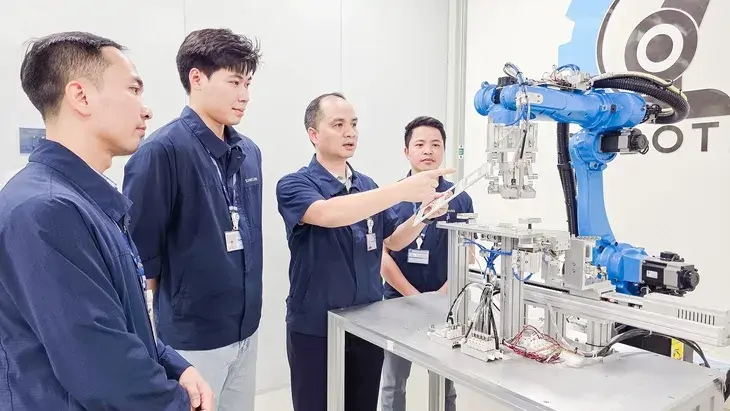
Samsung factory in Vietnam
Applying Technology in Quality Control
For high-tech products, many assembly components are extremely small and require high precision. Manual inspection or experience-based evaluation may not be sufficient to detect all defects.
In response, Samsung has deployed camera systems and machine vision technologies to enhance quality control. These solutions enable micro-level inspection, helping detect defects early and ensure consistency in production.
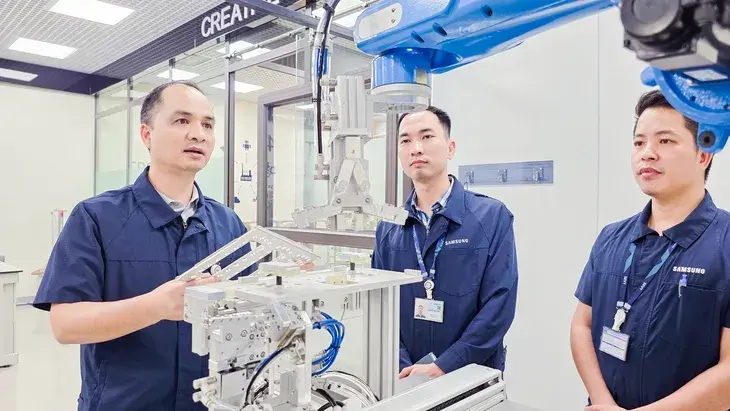
Samsung factory in Vietnam
Alignment between technology and operations
Beyond technology deployment, optimizing operational systems and enhancing workforce capabilities are equally important. Training programs and process improvements allow Samsung to identify inefficiencies and continuously enhance production performance.
The synergy between technology and human expertise ensures stable operations while meeting increasing demands for quality and productivity.
Towards Smart Manufacturing
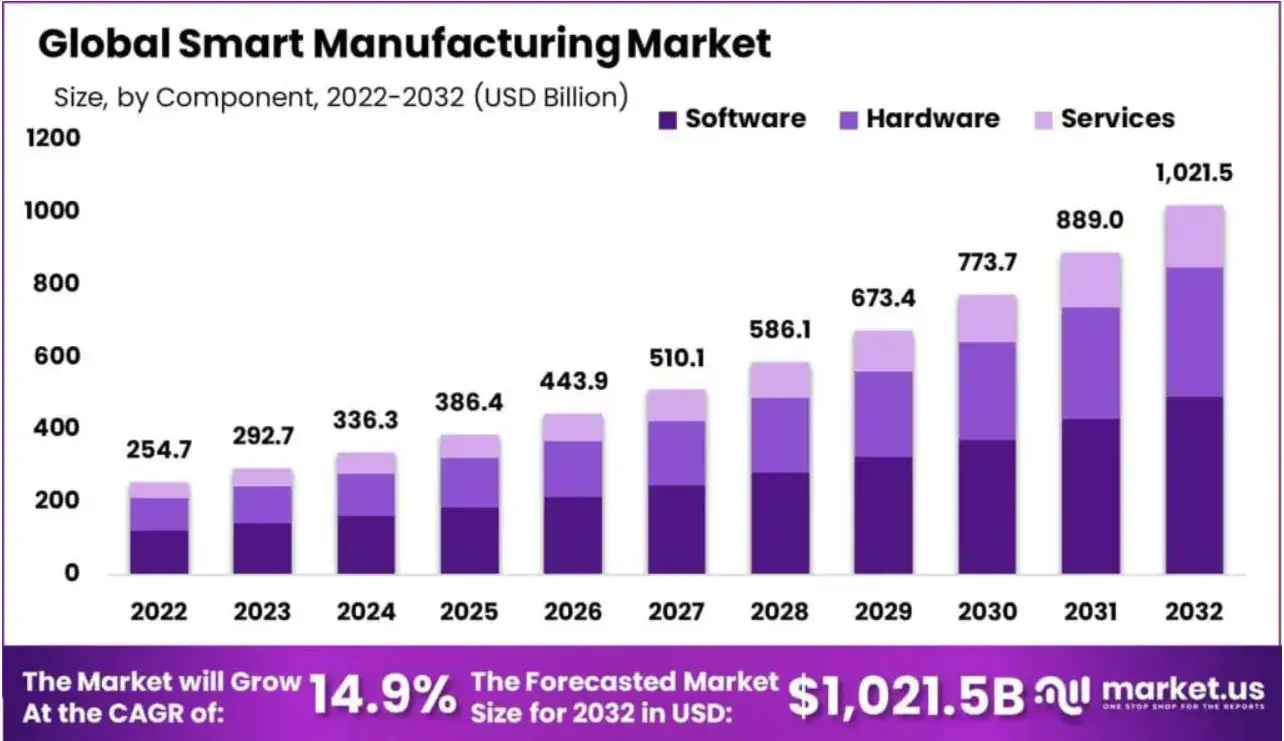
Practical experience shows that automation, data, and technologies such as AI, robotics, and machine vision are becoming foundational to the transition toward smart manufacturing.
In this context, the demand for technology solutions in factories continues to grow. Manufacturing execution systems, data platforms, and AI applications help businesses improve monitoring, optimize processes, and enhance operational efficiency.
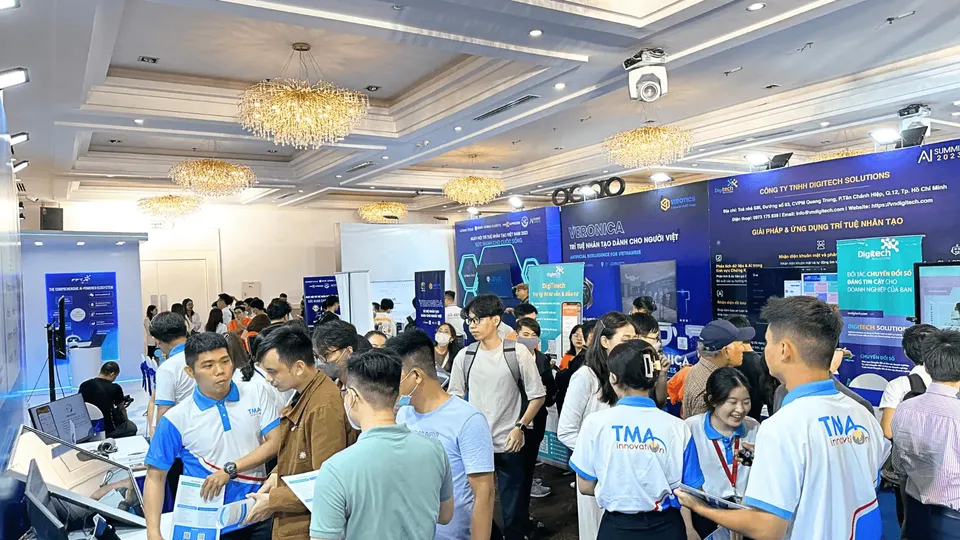
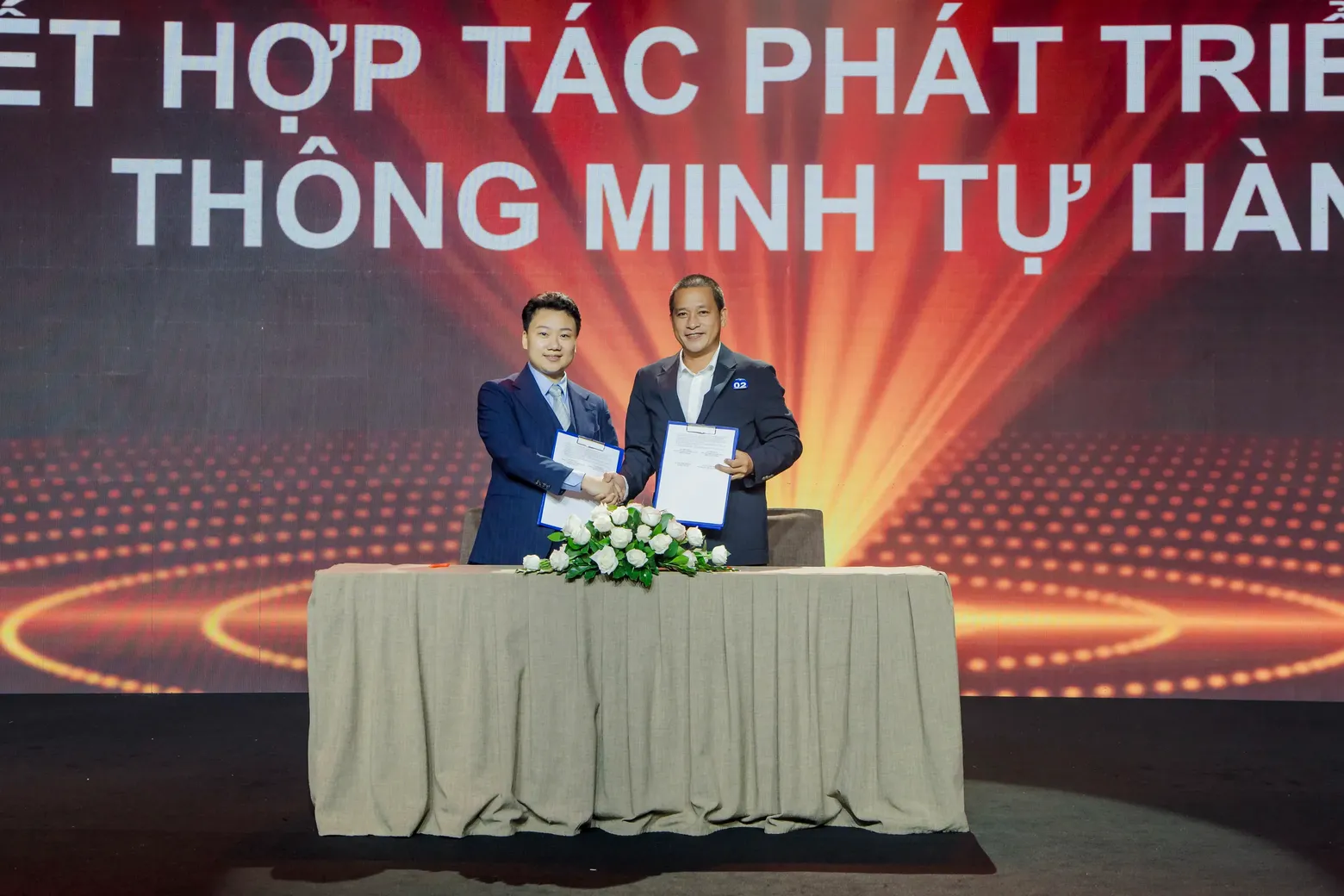
Technology providers such as TMA Solutions can support enterprises in building smart warehouse systems, AGV orchestration solutions, and computer vision applications—contributing to improved precision and accelerating digital transformation in manufacturing.
Source: Lãnh đạo người Việt tại 'không gian sáng tạo' Samsung