Preventive, Condition-Based or Predictive Maintenance? Choose by Failure Mode
A pump can lose flow while its motor is still running. A calendar service may come too late, a vibration alert may miss the hydraulic problem, and a forecast has little operational value if the replacement part arrives after the expected failure. The maintenance decision depends on how the asset fails and how much time the plant needs to respond. [1][2]
McKinsey reports that one semiconductor back-end pilot reduced downtime by 40% after introducing predictive maintenance processes. That result belongs to a specific pilot. For an APAC plant building its own business case, the relevant comparison is against the current maintenance practice on the target equipment. [1]
Use scheduled preventive maintenance when time or usage is a sound trigger, condition-based maintenance when a measurement can justify intervention, and predictive maintenance when a validated forecast gives the plant time to make a better decision. Apply the choice to each failure mode. [2][3]
1. Distinguish maintenance triggers
Scheduled preventive maintenance starts work at a defined calendar, operating-hour, or cycle interval. A planner might schedule lubrication by running hours under an approved maintenance plan. Keep required inspections and service intervals in place unless the responsible authority approves a change. [2]
Condition-based maintenance (CBM) starts an assessment or intervention when measured condition warrants it. For example, an abnormal vibration trend under comparable operating conditions may prompt a bearing inspection. A technician can collect the reading on a route or receive it from a permanently installed sensor. [2][3]
Predictive maintenance uses condition history and operating context to estimate future deterioration or failure risk over a useful horizon. A planner can use that horizon to decide whether to secure a spare, bring forward a shutdown, or carry out additional inspection. TMA Innovation’s offering combines vibration, temperature, and sound analysis with historical trends and diagnostic recommendations. [3]
Industry terminology can overlap. In this guide, the distinction is the decision trigger. A threshold alert describes a condition that needs attention today. A forecast estimates what may happen within a future period. [2][3]
2. Compare information requirements
TMA Innovation’s Smart CMMS provides asset histories, scheduled maintenance, work-order assignment, and inventory tracking. Its predictive maintenance offering adds sensor telemetry and diagnostics. Together, these capabilities inform the following selection matrix. [2][3][4]
| Design question | Scheduled preventive | Condition-based | Predictive |
|---|---|---|---|
| What triggers work? | Calendar date, runtime, or cycle count | Measured condition crosses an approved criterion | Estimated risk or degradation within a planning horizon |
| What data is essential? | Asset ID, service history, interval, and usage where applicable | Condition readings, operating state, and a reference baseline | Time-aligned condition history, operating context, and verified outcomes for validation |
| What does the planner receive? | Due task and job instructions | Inspection request with supporting readings | Recommended action window with supporting evidence and uncertainty |
| What should the pilot verify? | Work completed on time and findings recorded | Confirmed faults, missed faults, and unnecessary inspections | Usable warning lead time and improvement over the current rule |
| Where does it fit? | A justified service interval or required task | A detectable change with time to intervene | A forecast that changes staffing, parts, or shutdown plans |
For connected assets, map each sensor and controller tag to the same equipment identifier used in the computerized maintenance management system (CMMS). Preserve timestamps, units, and operating state. At closeout, have technicians record the actual fault, action taken, and whether the condition cleared. Use those outcomes to review alert rules and test forecasts. [3][4]
3. Evaluate the asset and failure mode
Start with the required function. For a process pump, that could be delivering the specified flow at the required pressure. Then identify how the function can be lost. NASA’s reliability-centred maintenance guide distinguishes complete component failure from degraded performance that leaves a pump unable to meet its operating requirements. [2]
For each failure mode, ask three questions. What happens if it occurs? What measurable change precedes it? How much time will the plant have to act? Include safety, quality, production loss, redundancy, and spare availability in the review. Where a mode is consequential and offers little usable warning, assess protective measures or redesign with the responsible engineering team. [2][4]
Compare the observed warning interval with the time needed to confirm the fault, obtain parts, and secure a production window. A dependable threshold may already give the planner enough time. A forecast earns its place when earlier notice changes the action and the plant can validate that advantage. [2][3][4]
Lessons Learned from the Field
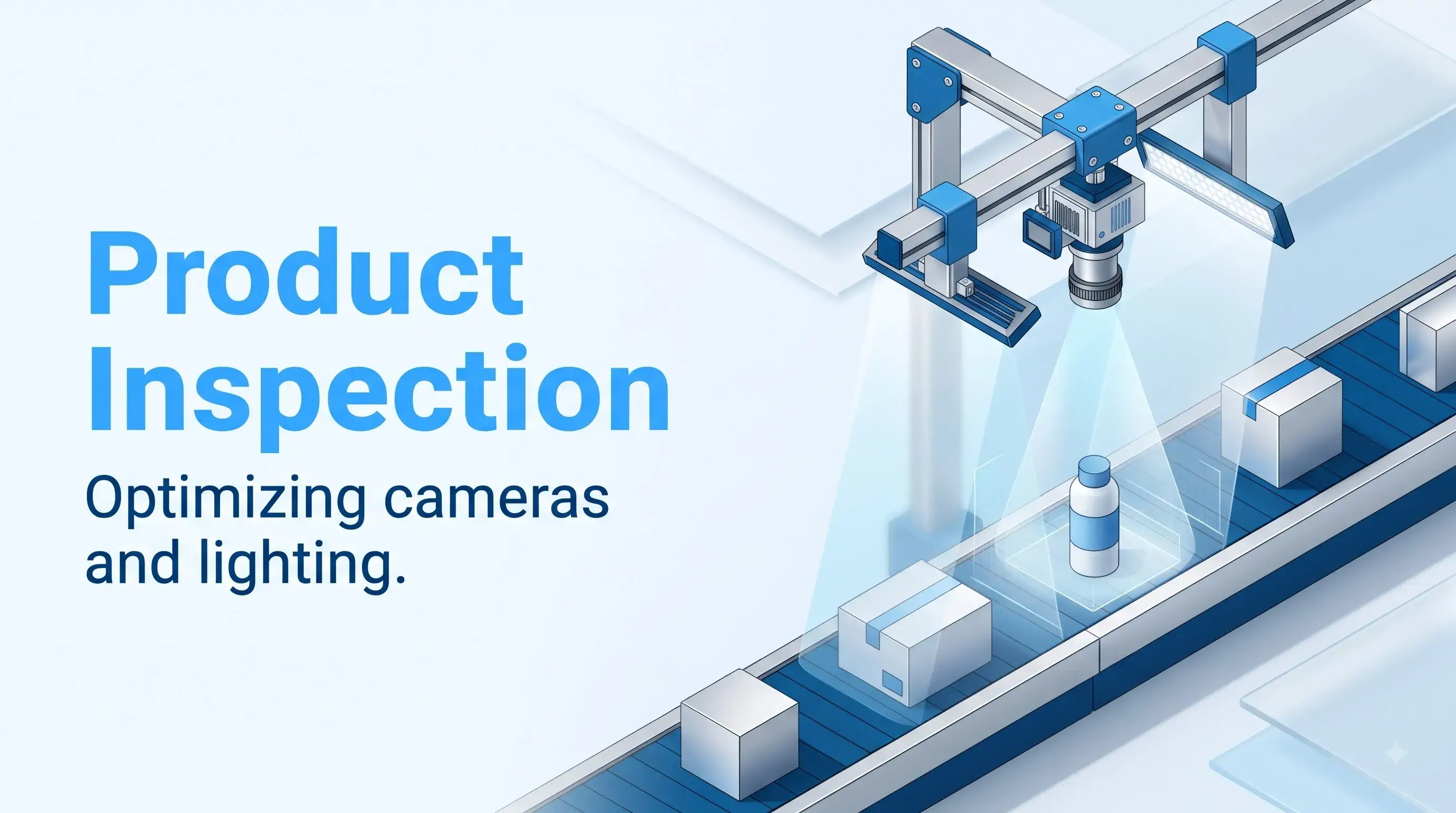
At a Vietnamese plastic valve and pipe manufacturer, TMA used acoustic signals to flag possible product defects during production. A local display gave operators a way to act immediately by removing suspect items. TMA also describes collecting sound data for trend analysis and maintenance planning. The case reports a live detection workflow and qualitative benefits. It gives no measured warning horizon for equipment failure. [5]
Use that distinction when evaluating a low-cost offshore development centre scoped mainly to model development. Ask the team to demonstrate what happens when the sound changes during a normal product changeover, how the operator confirms a defect, and how the result enters maintenance history. TMA’s published work gives buyers a concrete example of signal capture and operator response to probe during diligence. [4][5]
4. Build a mixed strategy
A pump train can have scheduled lubrication, condition checks for performance loss, and predictive monitoring for a bearing failure mode with a useful warning horizon. Record each task against its failure mode and assign the response owner. TMA’s Singapore nutritional ingredient manufacturing case shows why parts belong in the same workflow. The implementation combined a hierarchical asset register and maintenance management with alerts for low stock. [2][3][4]
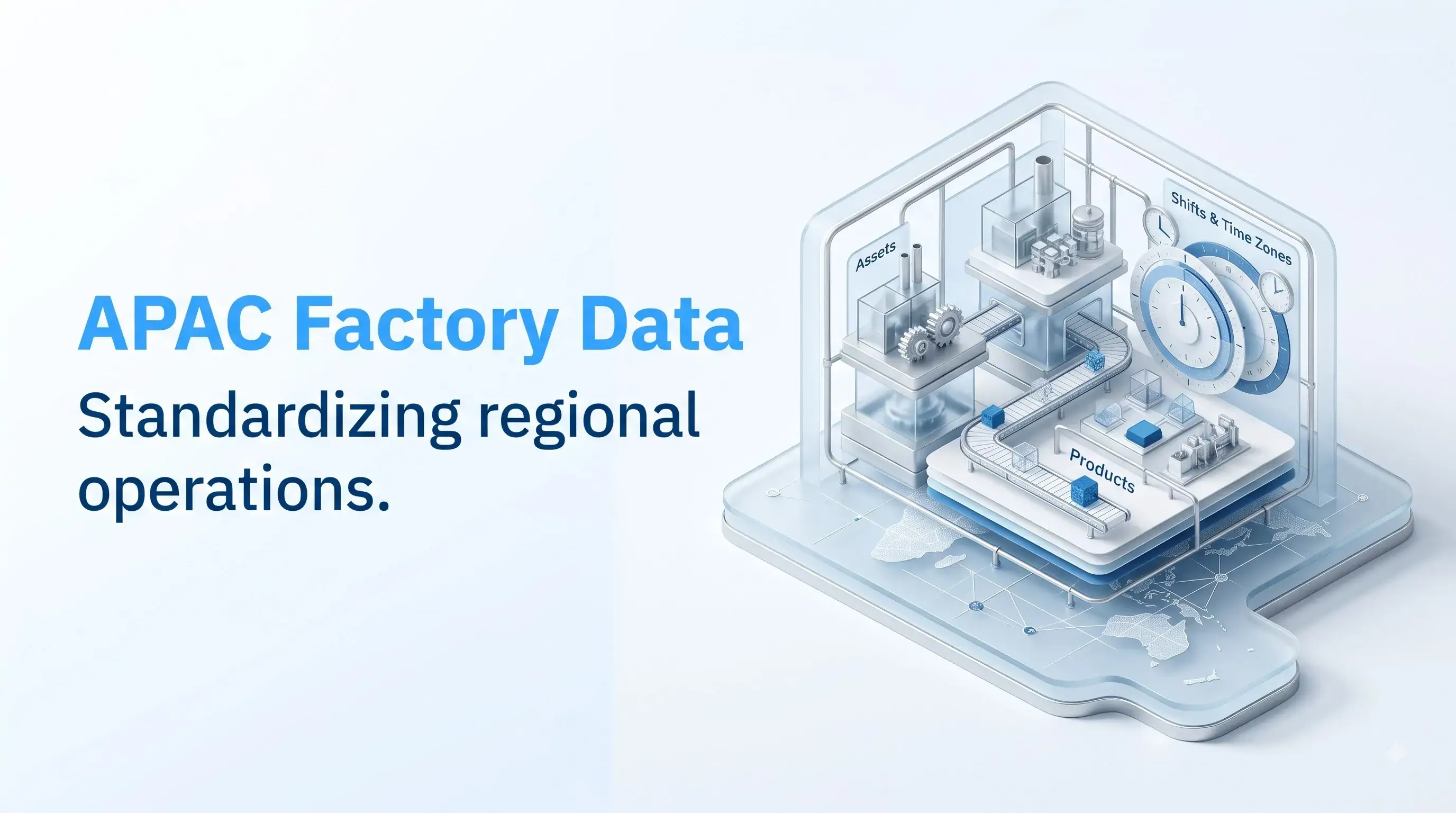
For regional deployment, standardise asset identifiers, failure codes, and work-order outcomes. Validate thresholds at each site against its equipment and operating conditions. Begin with approved read-only data acquisition, and keep safety interlocks under the plant’s approved controls. Any proposed automatic intervention requires separate OT engineering review and testing. [3][4][6]
5. Choose the next practical step
Select one recurring, consequential failure mode and agree on the decision the pilot must improve. The following deployment sequence draws on TMA’s published maintenance capabilities and feasibility services. [3][4][7]
- Baseline the loss. Record failures, unplanned downtime, maintenance spend, and the current intervention rule.
- Confirm the signal. Check sensor placement, normal variation, and how readings align with asset state and maintenance events.
- Test a condition rule. Review confirmed and missed faults, unnecessary inspections, and time available to act.
- Evaluate a forecast in shadow mode. Compare its usable lead time with the rule while the existing procedure governs work.
- Connect the response. Route approved findings into the CMMS with an owner, parts check, and completion evidence.
- Decide whether to scale. Compare verified operational benefits with instrumentation, integration, and support costs.
TMA reports 29 years of engineering experience, 4,000 engineers serving clients in 30 countries, and mission-critical programmes involving hundreds of engineers. Its telecom R&D centres provide a precedent for moving from implementation into long-term engineering partnerships. For a manufacturing programme, confirm the named team and who will own plant integration, validation, and ongoing support. [8][9]
TMA lists ISO/IEC 27001 in its quality framework and reports GDPR checks in software quality assurance. Verify certification scope for the engagement and agree on access, retention, and any cross-border transfer requirements for records that identify personnel. [8][10]
FAQ
What is the difference between condition-based and predictive maintenance?
Condition-based maintenance responds to measured deterioration. Predictive maintenance estimates future degradation or failure risk over a planning horizon. Both can use the same sensors. The forecast adds value when earlier notice changes the maintenance decision. [2][3]
Can we start with limited failure history?
Yes. Begin with engineering-approved condition criteria and collect verified inspection and repair outcomes. Evaluate forecasting once the evidence can support testing across representative operating conditions. [2][3]
What should a predictive maintenance pilot measure?
Measure confirmed faults, missed faults, unnecessary interventions, and usable warning lead time. Compare the results with the current schedule or condition rule and include downtime, labour, parts, and ongoing costs in the business case. [1][2][4]
Can predictive maintenance replace scheduled servicing?
Review each task against its failure mode, service requirements, and validated warning time. Keep required servicing and inspections until the responsible authority approves a revised maintenance plan. [2]
How should manufacturers evaluate vendor reliability?
Ask the vendor to trace a real alert from sensor to work-order closure. Check plant references, OT integration expertise, recovery testing, certification scope, and who owns tuning and support after go-live. [3][4][6][8]
Choose the first failure mode to assess
Bring one recurring fault, its service history, and a sample of available signals to a TMA Innovation maintenance assessment. Use the session to select an intervention trigger, define how the plant will verify it, and cost the next step. [7]
References
[1] McKinsey — How back-end automation can be game changing for chipmakers.
[2] NASA — Reliability-Centered Maintenance Guide for Facilities and Collateral Equipment.
[3] TMA Innovation — Predictive Maintenance.
[4] TMA Innovation — Smart CMMS and Singapore Production Maintenance Case Study.
[5] TMA Innovation — Sound-Based Defect Detection and Valve Manufacturing Case Study.
[6] NIST — Guide to Operational Technology Security, SP 800-82 Rev. 3.
[7] TMA Solutions — Innovation as a Service.
[8] TMA Solutions — Company Overview and Engineering Capabilities.
[9] TMA Solutions — Telecommunications Engineering and R&D Centres.
[10] TMA Solutions — CSR Report 2024, Security and Compliance.